How we chose. We have not lab-tested these grinders. Picks compare published burrs, adjustment and dosing workflow. Australian price references were checked on 9 October 2026; the Eureka figure is a retailer's guide quote, while the other figures are specific product listings. Confirm the exact variant, availability and delivery before buying. We earn nothing from these links.
Why the grinder matters more than the machine
Espresso needs fine grinding and small adjustments to control the shot. An uneven grind can make extraction harder to control, while large adjustment steps can leave you between a shot that runs too fast and one that chokes. Choose for the basket and brew method you use, then dial in the dose and grind; a price comparison alone cannot predict the better cup.
The short list
| Pick | Best for | Burrs | Price seen (AUD) |
|---|---|---|---|
| Baratza Encore ESP | A first espresso grinder | Conical | $349 maker listing |
| Breville Smart Grinder Pro | Timed dosing into a portafilter | Conical | $369 maker listing |
| Eureka Mignon Specialità | Hopper-based daily espresso | 55 mm flat | $850 retailer guide quote |
| Niche Zero or DF64 Gen 2 | Single dosing, enthusiasts | Conical or 64 mm flat | $1,499 Niche / $995 DF64 |
Baratza Encore ESP
An entry-level conical grinder with settings 1 to 20 intended for espresso and 21 to 40 for filter and coarser brewing, according to Baratza. Its dosing cup supports 54 mm portafilters and includes a 58 mm adapter. Baratza Australia's product listing showed $349 at our check; its Australian support hub also lists replacement parts.
Good for
- A Bambino or Gaggia without a grinder
- People who also brew filter
Skip it if
- You want to grind light roasts very fine
- Noise matters a lot
Breville the Smart Grinder Pro
A conical grinder with a timer and sixty settings. Breville supplies cradles for 50 to 54 mm and 58 mm portafilters, so it is not limited to one basket size. Its Australian maker listing showed $369 at our check. Timed dosing still benefits from checking the actual weight as beans or grind settings change.
Good for
- Bambino and Dual Boiler owners
- Grinding by time without a scale
Skip it if
- You want the finest, most even espresso grind at this price
Eureka Mignon Specialità
A compact grinder with 55 mm flat burrs, stepless adjustment and timed dosing. Its hopper workflow suits households using the same beans for several coffees. Coffee Parts' range guide quotes $850 for the Specialità; that is a guide reference, so confirm the selling price, finish and stock on the product listing.
Good for
- Households making several coffees in a row
- Quiet kitchens
Skip it if
- You change beans every day (it holds beans in a hopper)
Niche Zero, or DF64 Gen 2
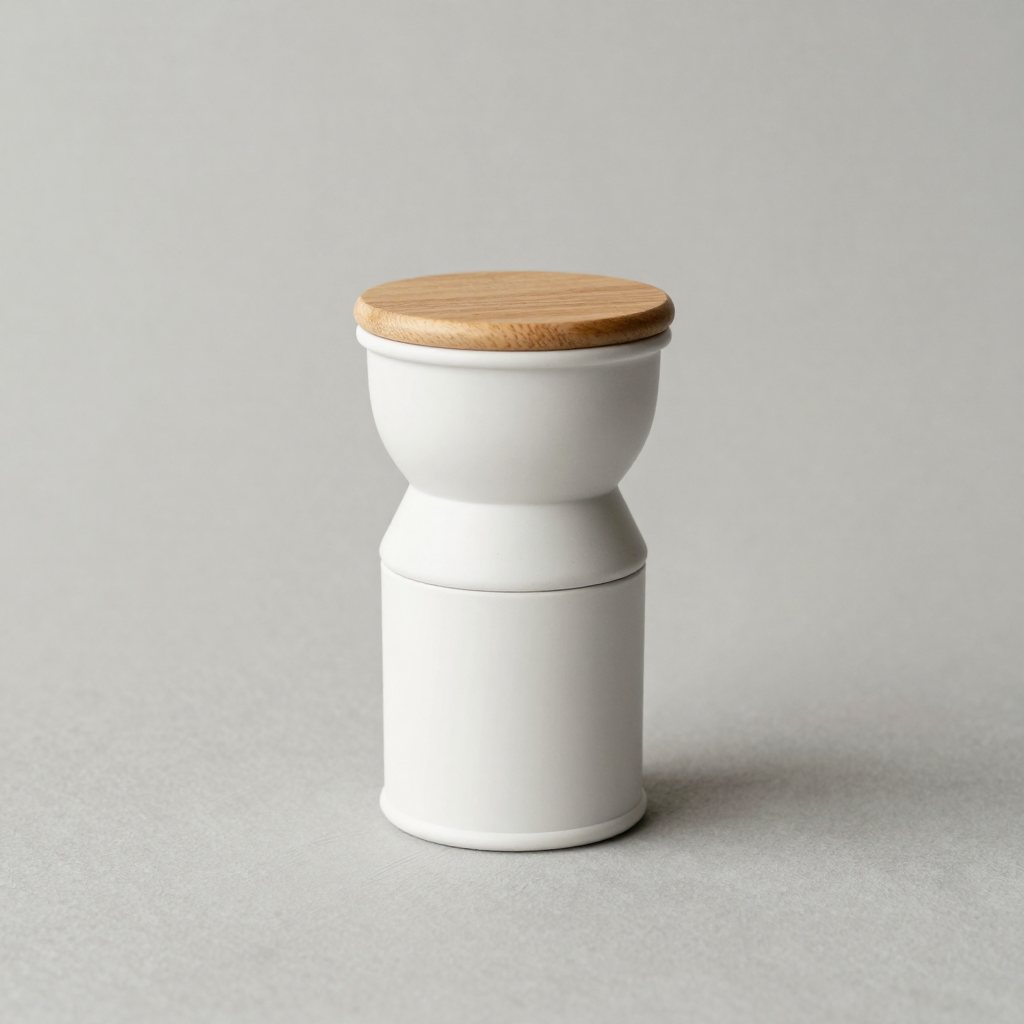
A single-dose workflow means weighing each dose rather than leaving a large supply of beans in a hopper. Retention still varies by grinder, coffee and technique. Di Pacci's specific listings showed $1,499 for the black Niche Zero and $995 for the Coffee Tech DF64 Gen 2 at our check, with GST included and delivery calculated separately. Check the selected colour and burr option; a price display alone does not establish stock.
Good for
- Trying different beans often
- Light roasts and straight espresso
Skip it if
- You want to grind several shots quickly for a crowd
Conical or flat burrs?
Both work. In broad terms, conical grinders at home tend to give a heavier-bodied espresso and are forgiving; flat burrs tend to give more clarity and are popular with light roasts. Grind quality and adjustment matter more than the burr shape.
What to skip
- Blade grinders. They chop rather than grind and cannot make an even espresso grind.
- Grinders without fine adjustment at the espresso end. If the steps are too big, you will never land the shot.
- Buying more grinder than your machine can use with pressurised baskets only: upgrade the basket first.
Grind size by brew method
Every brew method needs a different grind, and a good grinder can produce each one consistently. As a rough guide:
| Brew method | Grind | Feels like |
|---|---|---|
| Espresso | Fine | Fine sand or powdered sugar |
| Moka pot | Fine to medium-fine | Slightly coarser than espresso |
| AeroPress | Medium-fine to medium | Table salt |
| Pour-over and drip | Medium | Coarse sand |
| Plunger (French press) | Coarse | Breadcrumbs |
| Cold brew | Extra coarse | Peppercorns |
Espresso is the hardest to get right because tiny changes in grind make a big difference to how fast the shot runs. That is why espresso grinders have fine adjustment, and why a grinder that is excellent for plunger coffee can be useless for espresso. Our moka pot guide covers the grind for stovetop coffee.
Stepped or stepless adjustment
Stepped grinders click between set positions; stepless grinders turn smoothly to any point. For espresso, stepless adjustment, or very fine steps, lets you dial in a shot precisely. Stepped grinders with enough fine steps work well too and are easier to return to a known setting. If you switch between espresso and filter coffee often, a grinder with clear markings and a wide range saves time.
Burr size and type
Bigger burrs generally grind faster and can be more consistent, which is one reason café grinders have large flat burrs. Home grinders range from small conical burrs in compact machines to large flat burrs in enthusiast models. Steel burrs are the norm; ceramic burrs are found in some hand grinders and automatic machines. Within a price range, consistency and adjustment matter more than burr material.
Retention and single dosing
Retention is the coffee left inside the grinder after grinding. A grinder that holds several grams of old grounds mixes them into your next shot, which matters if you change beans or grind for one cup at a time. Single-dose grinders, such as the low-retention models above, are designed to grind exactly what you put in, with almost nothing left behind. Hopper grinders suit a household that drinks the same beans every day and wants convenience.
Little habits that make a difference
- Weigh your dose with small kitchen scales accurate to a tenth of a gram, rather than relying on timed grinding.
- A tiny spray of water on the beans before grinding reduces static and clumping in many grinders, a trick widely called RDT. Use only a drop.
- Stir the grounds in the portafilter with a fine needle tool to break up clumps before tamping, known as WDT.
- Clean the burrs every few weeks with a brush, following the maker's instructions; some makers sell grinder-cleaning tablets.
- Store beans airtight, away from light and heat, and grind just before brewing.
Hand grinders
A good hand grinder can match an electric grinder costing far more for filter coffee and, in the best models, for espresso. They are slower and take effort, which suits one or two cups a day, travel and camping. Look for sturdy burrs, a stable axle and fine adjustment if you plan to make espresso.
Matching a grinder to your machine
Your machine decides what the grinder must do. A pressurised or dual-wall basket on a budget machine is forgiving and does not need a fine espresso grinder. A single-wall basket on a better machine needs a grinder that can grind fine and adjust in small steps. If you are buying both, spend proportionally on the grinder: a modest machine with a good grinder usually makes better coffee than an expensive machine with a poor one, as the section above explains.
An upgrade path
- Start with a capable entry espresso grinder, matched to your machine.
- Learn to dial in with a scale and a timer.
- Upgrade to a grinder with finer adjustment or lower retention when you know what you want to change.
- Keep the old grinder for filter coffee or decaf.
Most people never need the most expensive grinder. They need one that grinds consistently for the coffee they drink.
How to dial in espresso with a new grinder
A new grinder comes with a factory setting that is rarely right for your beans and machine. A simple method:
- Pick a recipe. For example, 18 grams of coffee in, about 36 grams of espresso out, in about 25 to 30 seconds. Adjust the dose to your basket.
- Grind and pull a shot at a middle setting. Weigh the liquid and time it from when you start the pump.
- If it runs fast and tastes sour, grind finer by a step or two.
- If it runs slow, drips and tastes bitter, grind coarser.
- Repeat until the time and taste are close, then fine-tune by taste rather than the clock.
- Write down the setting for those beans, because a new bag may need a small change.
Grind changes take a shot or two to show fully, because some old grounds may still be in the grinder. Purge a few grams after a big change.
Why beans change the setting
Fresh beans, roasted in the last week or two, release more gas and usually need a slightly coarser setting than the same beans a month later. Darker roasts are more brittle and tend to grind and extract differently from lighter roasts. Different origins and blends behave differently too. Expect to adjust a little whenever you open a new bag; it is normal, not a fault.
Noise, speed and mess
Grinders differ in how loud they are, how fast they grind and how much mess they make. Larger burrs and slower motors are often quieter and grind with less heat, but take a little longer. Static makes grounds cling to the chute and spray across the bench; the drop of water trick above and a dosing cup reduce it. If your kitchen is open-plan and early risers share the house, noise is worth checking before you buy.
Grinders for filter coffee
If you mostly drink pour-over, AeroPress or plunger coffee, you do not need an espresso grinder. A grinder made for filter coffee, with consistent medium and coarse settings, will often give better results at a lower price, because it is built for that range. Some grinders try to do both; they usually do one better than the other. If you drink both styles, consider two grinders, or a hand grinder for filter coffee alongside an espresso grinder.
Blade grinders
Blade grinders chop beans with a spinning blade, like a spice mill. They produce a mix of fine dust and larger pieces, which extracts unevenly: the dust over-extracts and tastes bitter, while the large pieces under-extract and taste sour. They are fine for spices and a rough plunger coffee in a pinch, but not for espresso. Even an entry-level burr grinder is a large step up.
Cleaning and maintenance
- Brush out the chute and burrs every week or two.
- Remove the top burr every month or so, following the maker's instructions, and brush away old coffee and oils.
- Use grinder-cleaning tablets if the maker approves them; never use rice, which can damage some grinders.
- Check the burrs for wear after heavy use; replacement burrs are available for most good grinders.
- Keep the hopper clean and do not leave oily beans in it for weeks.
A clean grinder makes better-tasting coffee, because old, rancid coffee oils in the grinder taint every new shot.
What to spend
As a general guide, spend at least as much on the grinder as you would on a matching entry-level espresso machine if you want real espresso. For filter coffee, a good hand grinder or a mid-range electric filter grinder is enough. The picks above cover the main price points from entry espresso to enthusiast single-dosing; the Australian prices beside each were checked on the date shown in the source notes.
Where to buy and service
Buying from an Australian retailer or the maker's Australian site gives you the consumer guarantees under the Australian Consumer Law and local warranty service. Imported grinders bought overseas can be cheaper but harder to repair. Check that burrs and spare parts are available locally for the model you choose.
Grinder settings worth writing down
Keep a note, on your phone or a card by the grinder, of the setting, dose and shot time that worked for each bag of beans. When you buy the same beans again, you can start from the right place. It also shows how far your settings drift as the grinder wears, which tells you when the burrs need replacing.
Common grinder mistakes
- Turning the adjustment while the grinder is off, on models that say not to, which can jam or damage the burrs.
- Leaving beans in the hopper for weeks, where they go stale and oily.
- Never cleaning the burrs, so old oils taint every shot.
- Changing several things at once while dialling in.
- Buying an espresso grinder for plunger coffee, or the reverse.
Grinders and decaf
Decaf beans are processed to remove caffeine, which changes how they grind; they often need a different setting from regular beans. In a household where one person drinks decaf, a single-dose grinder makes switching easy, because nothing is left in the grinder between doses.
A note on the picks
The picks above compare the makers' published specifications and Australian prices on the date shown; we have not lab-tested them. Use the section above on matching a grinder to your machine to narrow the list, then check current prices and stock with Australian retailers.
Grinder jargon, explained
| Term | Meaning |
|---|---|
| Burrs | The two grinding surfaces that crush the beans |
| Conical burrs | A cone-shaped inner burr inside a ring; often quieter, common in home grinders |
| Flat burrs | Two flat discs; common in café grinders, often prized for clarity in the cup |
| Retention | Grounds left inside the grinder after grinding |
| Single dosing | Weighing and grinding only the beans for one shot at a time |
| Stepless | Adjustment that turns smoothly to any setting |
| Dialling in | Adjusting grind, dose and yield until a shot tastes right |
| Grind by time | The grinder runs for a set number of seconds |
| Grind by weight | The grinder stops at a target weight, on models with built-in scales |
Grind by time or by weight
Many electric grinders grind for a set time. That is convenient, but the amount of coffee varies with the beans and the grind setting, so weighing the dose on a scale is still the reliable way to get consistent shots. A few grinders have scales built in and stop at a set weight, which saves a step. If your grinder grinds by time, check the dose with a scale whenever you change beans or the setting.
Static, clumps and the dosing cup
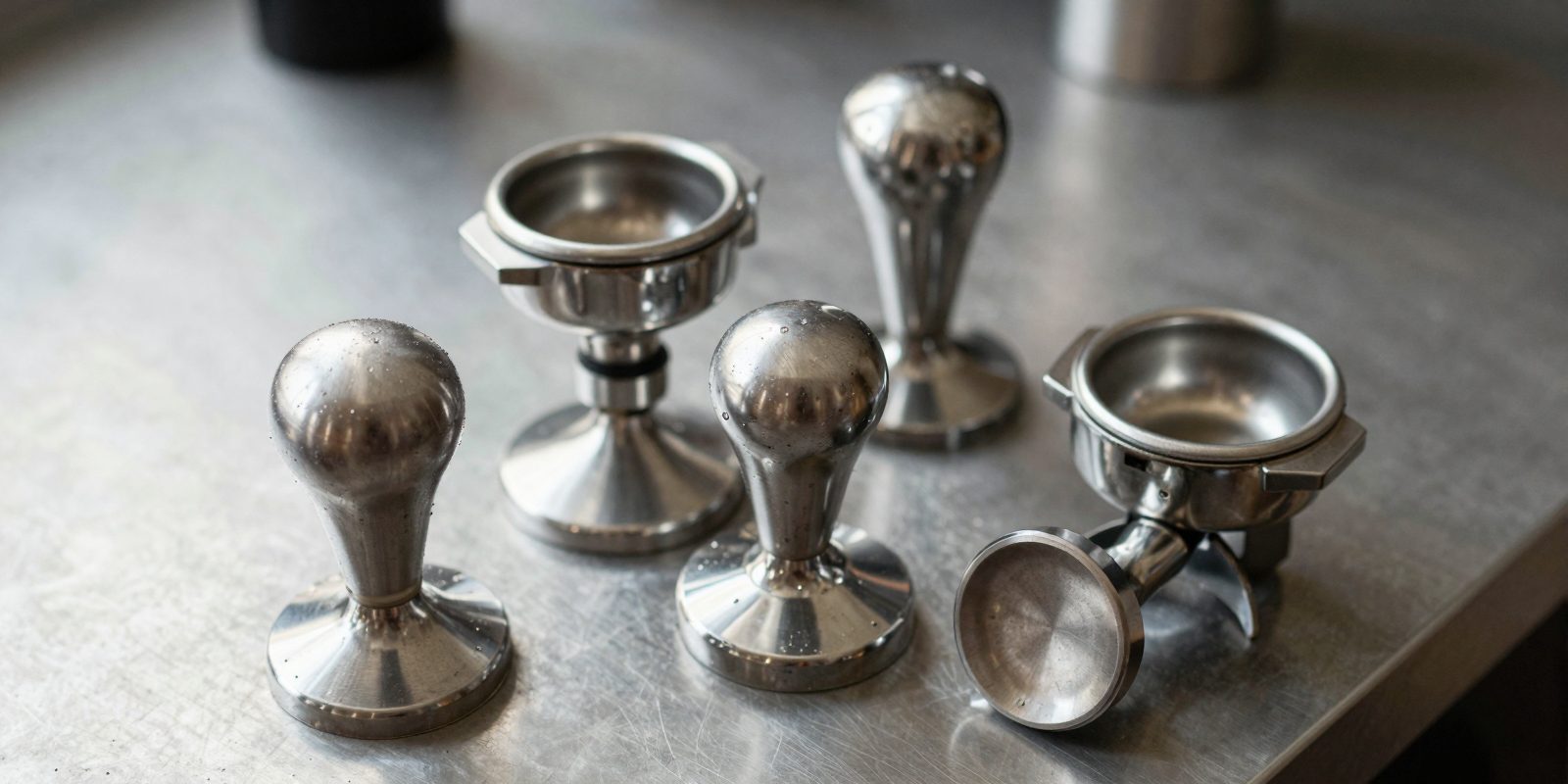
Fine espresso grounds pick up static and stick together, especially in dry weather. A dosing cup that fits your portafilter, a drop of water on the beans before grinding, and a short shake or stir of the grounds before tamping all help. Clumps are not just untidy: they create dense spots in the basket that water flows around, leading to uneven extraction. Our coffee tampers guide covers distribution tools that help.
When to replace burrs
Burrs wear slowly, and most home grinders take years to need new ones. Signs of wear include having to grind finer and finer to get the same shot, more fine dust, and less consistent shots. Burr life depends on how much you grind and how hard the beans are. Most makers sell replacement burrs; fitting them is usually a simple job with the maker's instructions.
Questions people ask before buying
Do I really need a separate grinder? For espresso on a manual machine, yes, unless the machine has a decent built-in grinder. Pre-ground coffee goes stale quickly and cannot be adjusted for your machine.
Is a built-in grinder good enough? Built-in grinders in machines like the Breville Barista Express are convenient and good for learning; a separate grinder gives more control and is easier to upgrade later.
Can one grinder do espresso and filter? Some can, but switching between them takes time and some beans to re-dial. If you switch daily, two grinders are easier.
Are expensive grinders worth it? Only if you can taste the difference and use the features. A well-matched mid-range grinder suits most home baristas.
How loud are they? Louder than most kitchen appliances for a few seconds. Larger, slower burrs are often quieter.
Grinding for cold brew and plunger
Coarse grinds for plunger and cold brew should look like coarse breadcrumbs or peppercorns, with as little fine dust as possible. Fines make plunger coffee muddy and cold brew bitter and hard to filter. A grinder with a good coarse range, or a hand grinder set coarse, does this well. Our cold brew coffee maker guide covers the brewing side.
Setting up a coffee corner
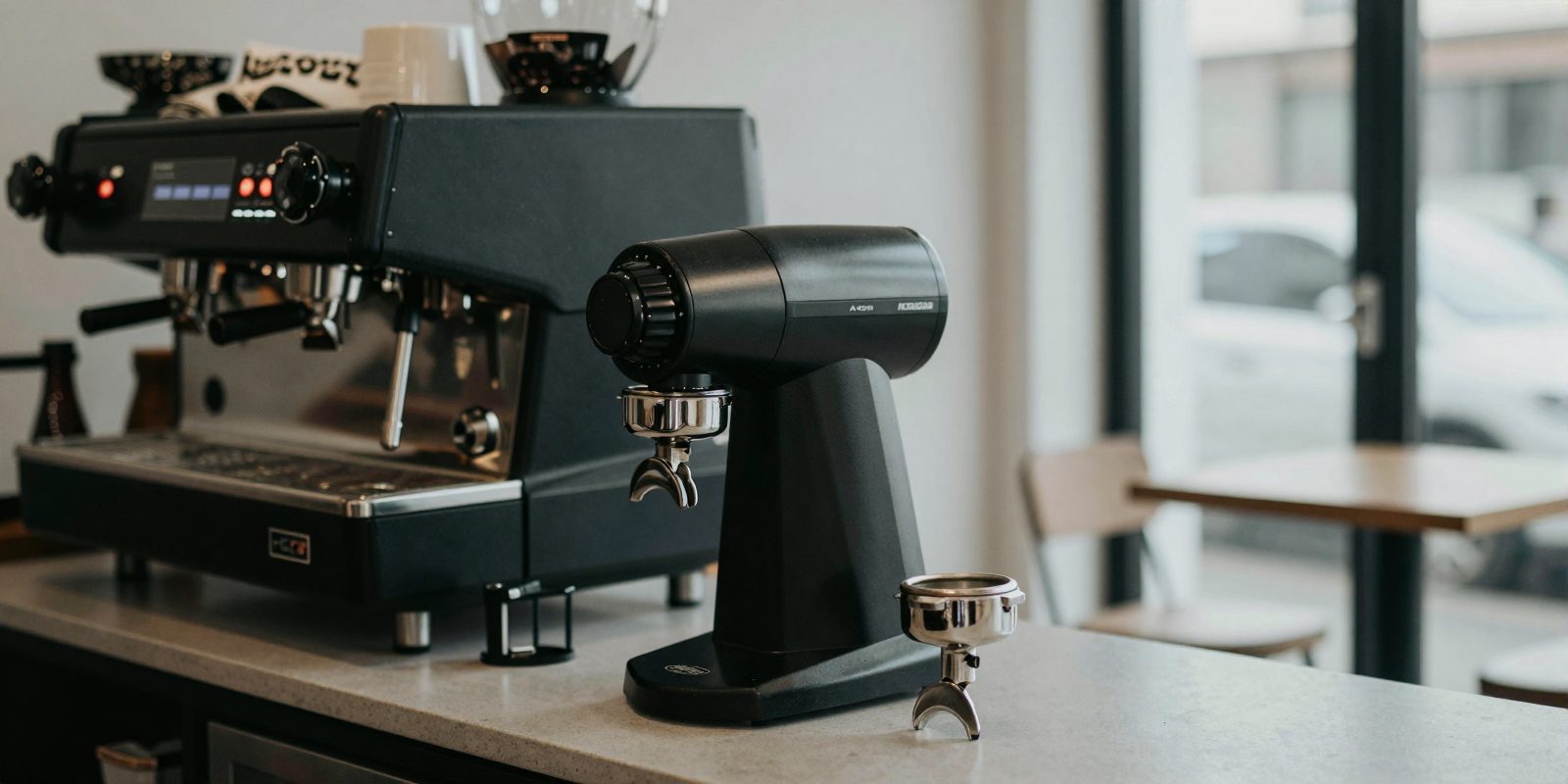
A grinder works best as part of a small, tidy station: the grinder and machine side by side, a small scale, a tamper and needle tool, a knock box for spent pucks, and a cloth for wiping the portafilter. Keep beans in an airtight container away from the machine's heat, and keep a small brush for sweeping up grounds. With everything in reach, a shot takes a couple of minutes and cleaning takes seconds, which is what turns home espresso from a weekend project into a daily habit.
Coffee freshness and grinding
Whole beans keep their flavour for weeks after roasting if they are stored well; ground coffee loses aroma within minutes to hours. That is the single biggest reason a grinder improves your coffee: grinding just before brewing captures flavours that pre-ground coffee has already lost. Buy beans with a roast date, use them within a month or so of roasting, and grind only what you need.
Grinders for automatic machines
If you have a bean-to-cup automatic machine, its built-in grinder does the job; you do not need a separate grinder unless you want to make filter coffee or use a different brewer as well. Our best automatic coffee machine guide covers how those built-in grinders work.
Our short answer
For a first espresso grinder, choose one with fine, easy adjustment that suits your machine's basket, such as the entry picks above. If you drink milk coffee every day from the same beans, a hopper grinder with good speed and consistency is the practical choice; if you switch beans or want the cleanest flavour, a low-retention single-dose grinder suits you. Spend proportionally more on the grinder than you think, weigh your doses, keep the burrs clean, and grind just before brewing. Those habits do more for the coffee than any single feature.
Where to buy a grinder
Australian specialist coffee retailers stock most of the grinders on this page and often advise on matching a grinder to your machine. Buying locally gives you the protection of the Australian Consumer Law and easier access to spare burrs and parts. Compare prices across a few retailers, check whether a dosing cup or other accessories are included, and keep the receipt for the warranty. If you buy a grinder second-hand, ask about its age and how much it has been used, and check that replacement burrs are still available for the model.
Grinders and espresso machine baskets
The basket in your portafilter shapes what the grinder must do. Double baskets usually take more coffee and a slightly coarser setting than singles; precision baskets with uniform holes reward a consistent grind; pressurised baskets mask grind problems and need less precision. When you change baskets, expect to re-dial the grinder. Keep the basket you use most and dial the grinder for it, rather than switching often.
Grinders and coffee subscriptions
Coffee subscriptions deliver freshly roasted beans on a schedule, often different beans each time. A grinder that is easy to adjust and quick to re-dial suits subscription drinkers, because every new bag may need a slightly different setting. Keep notes of the settings for each roaster and origin, and you will find your starting point faster with every delivery. Single-dose grinders are especially handy if you like to keep two or three bags open at once.
Grinder size on the bench
Measure the space before you buy. Hopper grinders are tall, and the hopper needs room to lift off for cleaning under overhead cupboards. Single-dose grinders are often shorter but wider. Leave space in front for the portafilter or dosing cup, and somewhere close by for a small scale and brush. A grinder that fits neatly next to the machine is one you will use every day.
Grinders and electricity
Grinders draw power only for the seconds they run, so their running cost is tiny compared with an espresso machine that heats water. Some have a standby mode or a power switch at the back; switching off at the wall overnight is a simple habit if the grinder has a display that stays lit.
Common questions
Do I need a separate grinder for espresso?
If your machine has no grinder built in, yes. Fresh, even grinding is the biggest single improvement to home espresso.
How much should I spend on an espresso grinder?
About $350 gets a capable first espresso grinder. Many enthusiasts spend as much on the grinder as on the machine, because it shapes the cup more.
What is the best espresso grinder for beginners?
A conical burr grinder designed for espresso, such as the Baratza Encore ESP or Breville's Smart Grinder Pro, paired with a scale.
How often should I clean my grinder?
Brush out the chute after each use and the burrs every week or two. Never wash burrs with water.
Which grinder pairs with a Breville Bambino?
The Encore ESP supports a 54 mm dosing cup, while the Smart Grinder Pro includes a 50 to 54 mm cradle. Both offer an espresso adjustment range. Choose whether you prefer weighing a dose or timed dispensing, then check compatibility with your actual basket.
How long does a coffee grinder last?
There is no single lifespan. Cleaning, use and parts availability matter, and burrs are service parts. Check local repair support and the maker's maintenance instructions rather than treating the warranty as a predicted lifespan.
Sources
- Breville Australia, the Smart Grinder Pro BCG820 (settings, cradles and Australian price)
- Baratza Australia, Encore ESP ZCG495 (adjustment ranges, dosing cup and Australian price)
- Coffee Parts, Eureka Mignon range explained
- Di Pacci, Niche Zero (Australian price)
- Di Pacci, Coffee Tech DF64 Gen 2 (Australian price)