Plan the installation with licensed tradespeople. New supply pipes, fittings, drainage and backflow protection can involve regulated plumbing work. NSW's licensing guidance includes work on water services connected directly or indirectly to a water main; check your state's regulator and water authority for your installation. Use a licensed electrician for new outlets or hard-wiring. This page helps you choose a machine and brief an installer.
Can you get a plumbed-in coffee machine?
Yes. Many commercial café machines and selected home models support a direct water connection. Check the exact model rather than assuming that a commercial or built-in machine must be plumbed in:
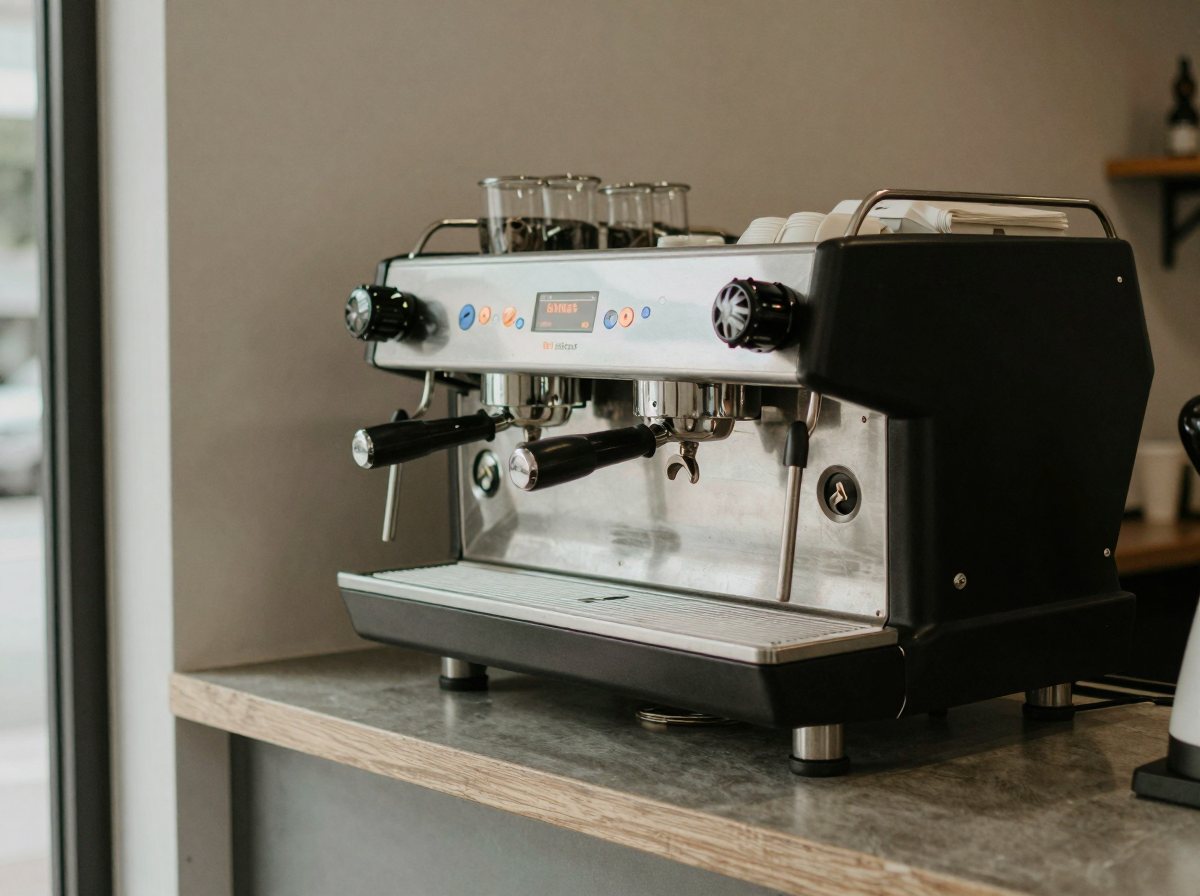
- Commercial machines: multi-group café machines commonly use a direct supply. Some smaller commercial machines have tanks; power requirements also vary by model.
- Prosumer machines with a plumb-in option: many dual boiler and rotary-pump machines (the Lelit Bianca is one) can switch between their tank and a water line. Check the specifications for "plumbable" or "direct connect", and whether a kit is needed.
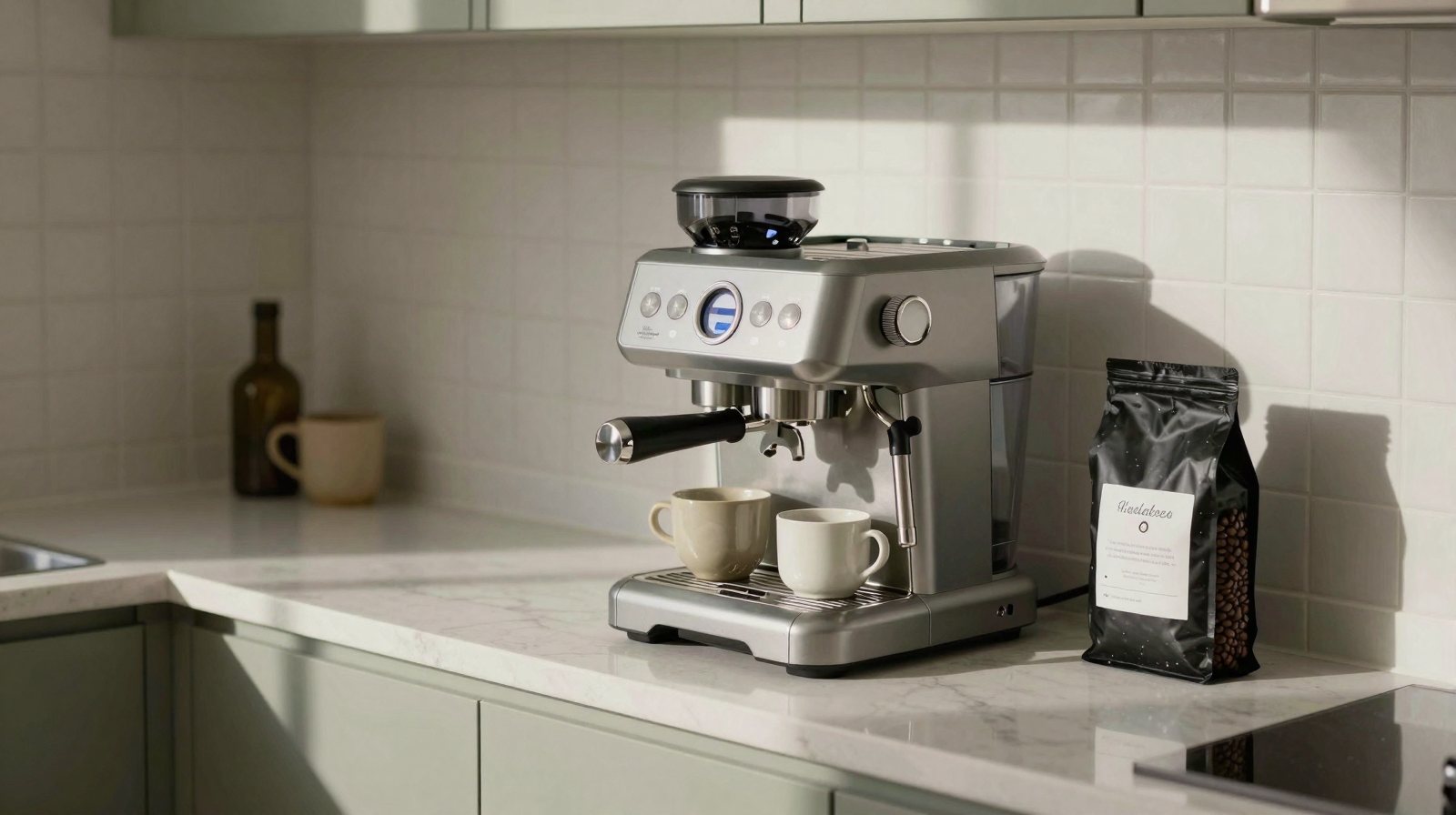
- Built-in coffee machines: fully automatic machines designed to sit in a kitchen cabinet. Some connect to a water line; many still use a tank. Check before you buy.
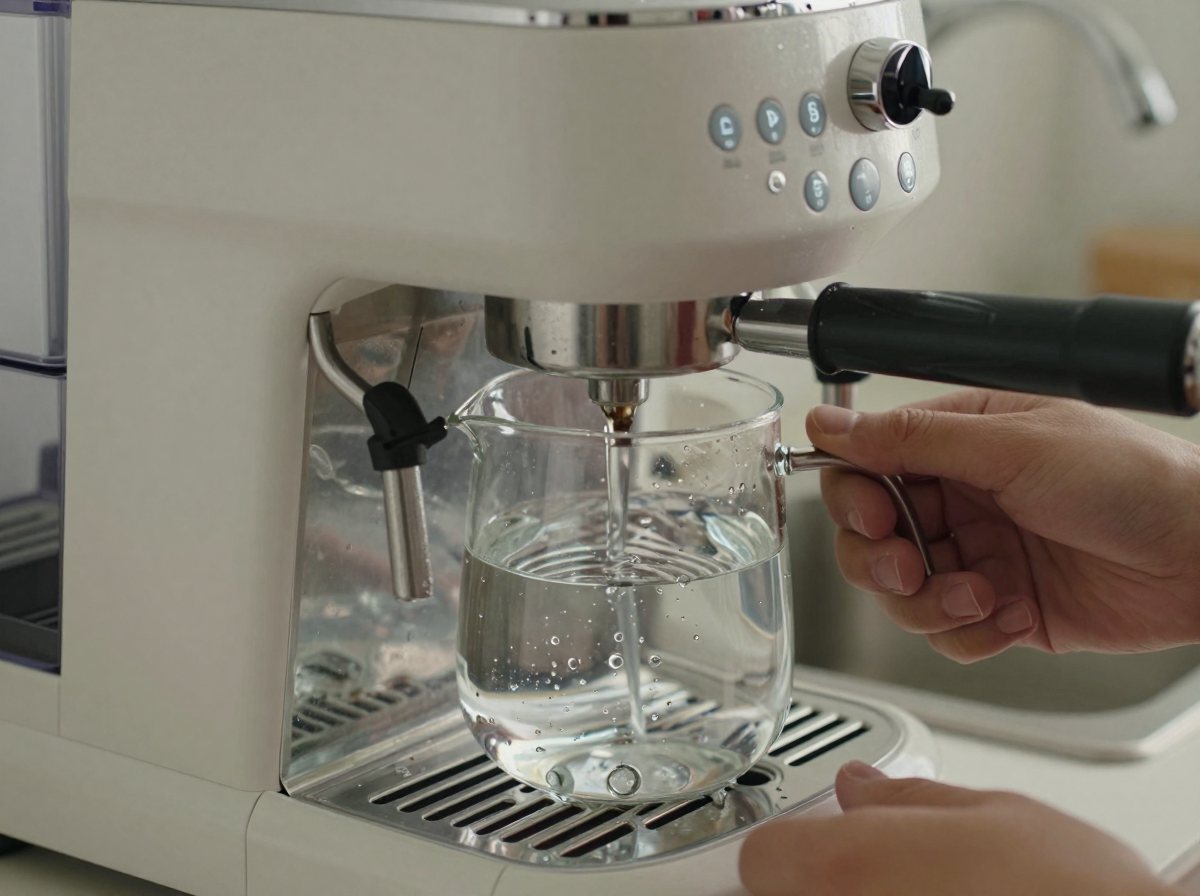
Most home machines, including the popular Breville range, are tank-only and cannot be plumbed in.
What the water connection needs
- A cold-water supply point near the machine, usually a tap or valve under the bench, so the machine can be isolated for service.
- A backflow prevention device. Australian plumbing rules (AS/NZS 3500.1 and the Plumbing Code of Australia) require the drinking-water supply to be protected from water flowing back from an appliance. Coffee machines are commonly fitted with a dual check valve; the device and whether it needs testing depend on the hazard rating your plumber assesses and your local water authority's rules.
- Water treatment matched to the machine and local water. A fresh tank of the same hard water does not prevent scale either. Check the maker's water specification and have the installer assess treatment. See our city water table for context; a city average does not establish the water at your tap.
- The right pressure. Many machines specify a maximum inlet pressure; a pressure-limiting valve may be needed if your mains pressure is high.
- A drain, if the machine's drip tray is plumbed to waste. That is also plumbing work, connected to the sanitary drainage.
What the power needs
Most home machines plug into a standard 10 amp power point. Some larger machines need a 15 amp outlet, and commercial machines are often hard-wired. Adding a new circuit or outlet, or hard-wiring a machine, is work for a licensed electrician in every state. Check the plate on the machine (or its manual) for its amperage before you plan the bench.
Who installs it
- The water line, backflow device, filter and drain: a licensed plumber. In many areas the backflow device has to be registered or tested, and your plumber handles that with the local water authority.
- New power outlets or hard-wiring: a licensed electrician.
- Commissioning the machine: the machine's supplier or a coffee-machine technician sets the pressure, temperature and flow once it is connected.
Questions to ask before you book
- Does my machine's manual allow plumbing in, and what inlet pressure does it allow?
- What backflow device will you fit, and does it need registering or testing here?
- Which filter suits our water hardness, and how often will its cartridge need changing?
- Will the drip tray drain, or will we keep emptying it?
- Is the power point the right rating for this machine, or do we need an electrician too?
Plumbed-in or tank: the trade-offs
| Water tank | Plumbed-in | |
|---|---|---|
| Refilling | By hand, often daily | Never |
| Water quality | Whatever you pour in | Set by the filter on the line |
| Installation | None | Licensed plumber, possibly an electrician |
| Location | Anywhere near a power point | Near a water supply and, for some machines, a drain |
| Cost | Machine only | Machine plus installation and filters |
| Suits | Most homes | Heavy home use, offices, cafés |
Water filters on the line
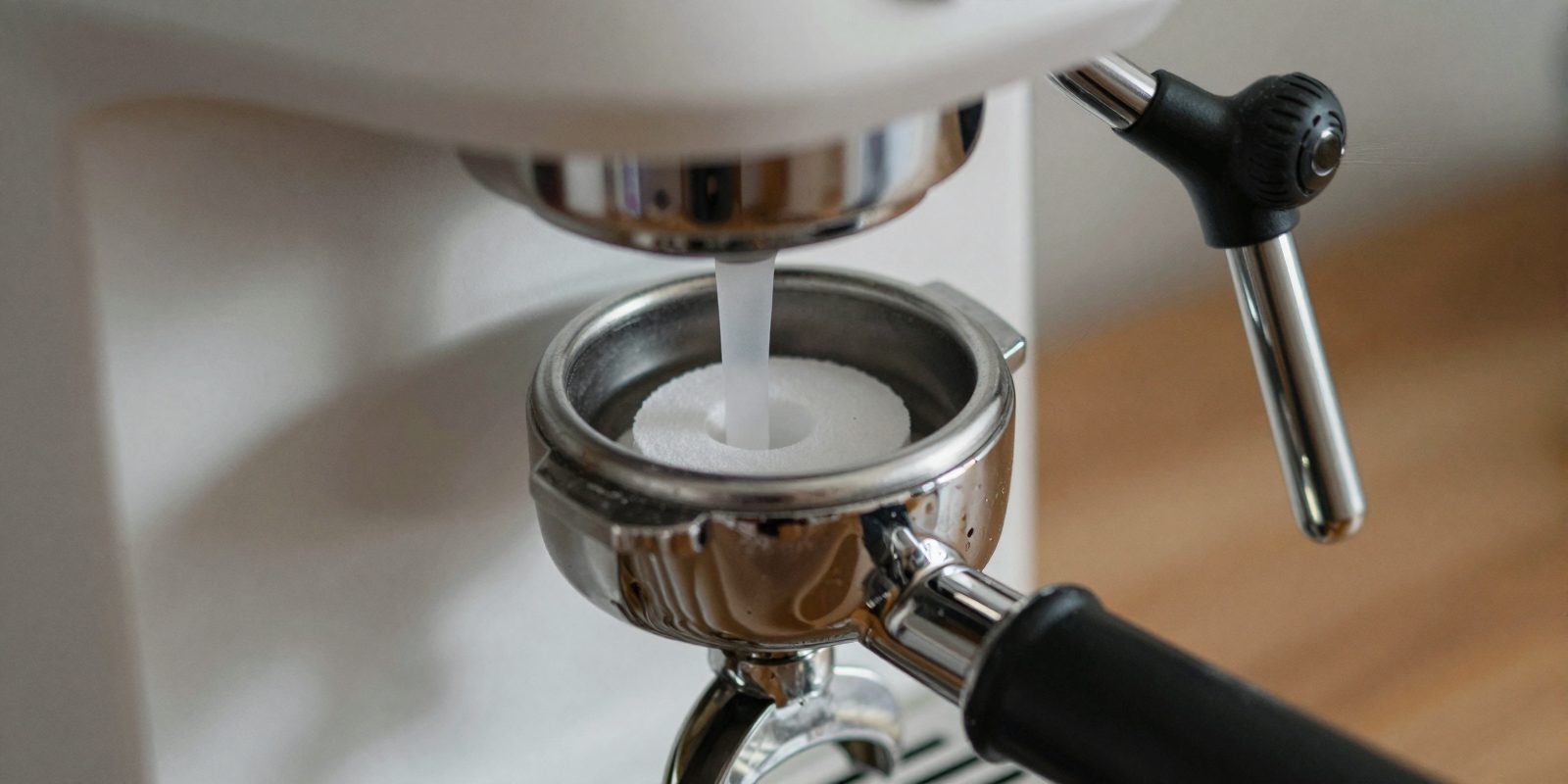
A plumbed-in machine draws water straight from the mains, so a filter on the supply line is usually part of the installation. It reduces chlorine taste and, depending on the filter, the scale that hard water leaves in boilers. Filters need changing on a schedule based on how much water passes through them, so add replacement cartridges to the running costs. Ask the installer which filter suits your local water and the machine maker's recommendations.
Drains and drip trays
Some plumbed-in machines also connect their drip tray to a drain, so you never empty it. Others are plumbed for water in only, and you still empty the tray. A drain connection needs a suitable waste point close by and adds to the installation. In a home kitchen, a water-in-only connection is common; in a café or busy office, a drain is often worth it.
Before buying a plumb-in machine
- Check that the machine is designed to be plumbed in, or has a kit approved by the maker.
- Confirm the water pressure your supply provides suits the machine; some need a pressure-limiting valve.
- Plan where the line will run, under the bench or through a cabinet.
- Budget for the plumber, the filter, and any backflow prevention device the plumber specifies.
- Keep the installation paperwork with the machine's warranty documents.
Maintenance once it is plumbed in
Change the line filter on the maker's schedule, check fittings for drips every few months, and descale if the machine and your water require it.
If you rent, ask the owner before any plumbing work; it is a change to the property.
Ask the plumber to fit an accessible isolation tap, so you can turn the water off to the machine for servicing or if it leaks.
Our short answer: a plumbed-in machine saves refilling, but it needs a licensed plumber, a filter and backflow protection.
Keep the filter cartridge's install date written on it, so you know when it is due.
Book the plumber and the delivery for the same day, so the machine is connected and tested before you first use it.
Common questions
Can you get a plumbed in coffee machine for home?
Yes. Many prosumer espresso machines and some built-in automatic machines can be connected to a water line. Most mainstream home machines, including Breville's range, are tank-only.
Is there a built-in coffee maker with a water line?
Yes. Some built-in fully automatic machines, designed to sit in a kitchen cabinet, connect directly to a water line. Check each model's specifications, because many built-in machines still use a removable tank.
Which espresso machines are plumbed in?
Many multi-group café machines and prosumer models sold with a direct-connect option, such as the Lelit Bianca. Some commercial machines use tanks, so check the exact model and kit.
Can I plumb in my coffee machine myself?
Arrange regulated supply, drainage and backflow work through a licensed plumber. Check the rules with your state's regulator and local water authority, and follow the machine's installation manual.
Do I need a water filter on a plumbed-in machine?
Choose treatment from the machine's water specification and the water at your site. A particulate filter, carbon filter and softener do different jobs; ask the installer which protection is needed.
Sources
- Hunter Water, backflow prevention (requirements for plumbers)
- MidCoast Council, backflow prevention policy (AS/NZS 3500.1, hazard ratings by a licensed plumber)
- KW Commercial, backflow prevention for food equipment (dual check valves and coffee machines)
- Australian Building Codes Board, Plumbing Code of Australia
- NSW Government, plumbing licensing and the definition of water-supply work
- Di Pacci, Lelit Bianca V3 listing (plumb-in option)