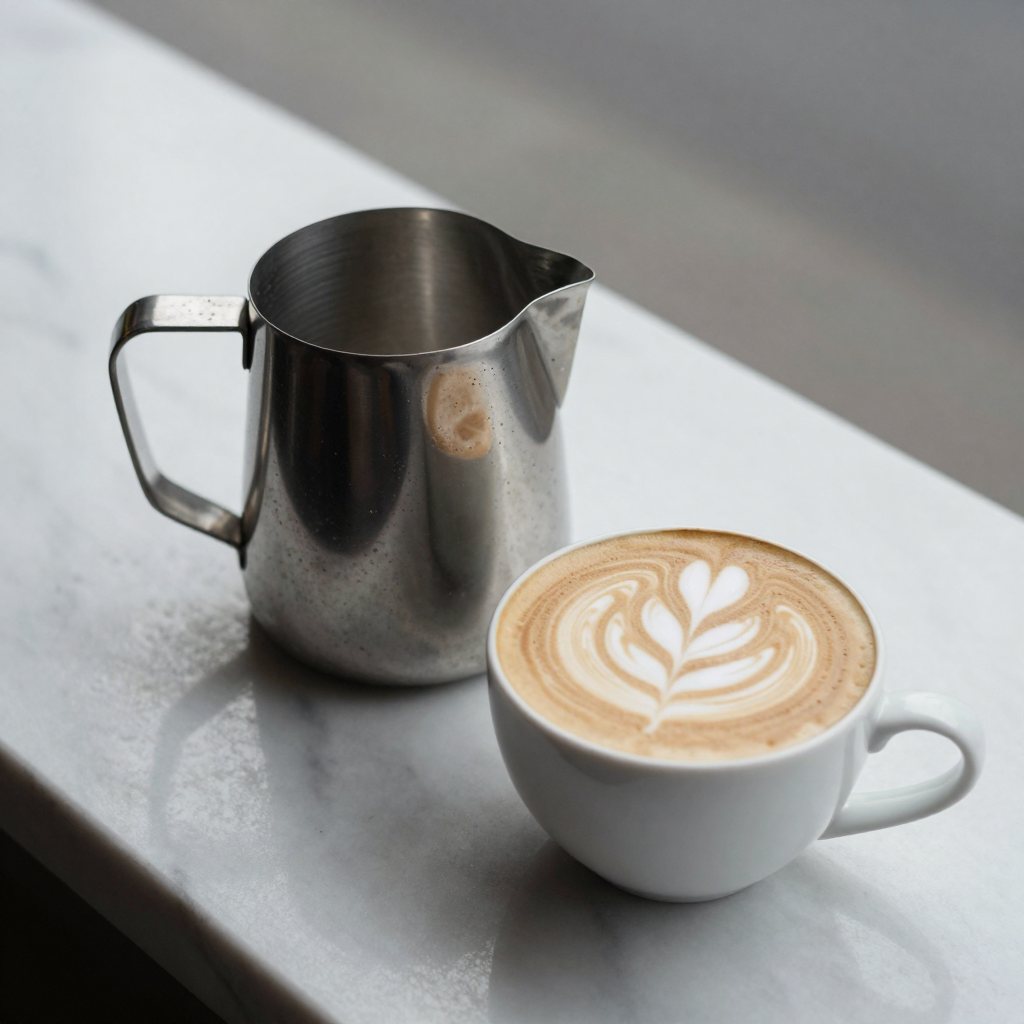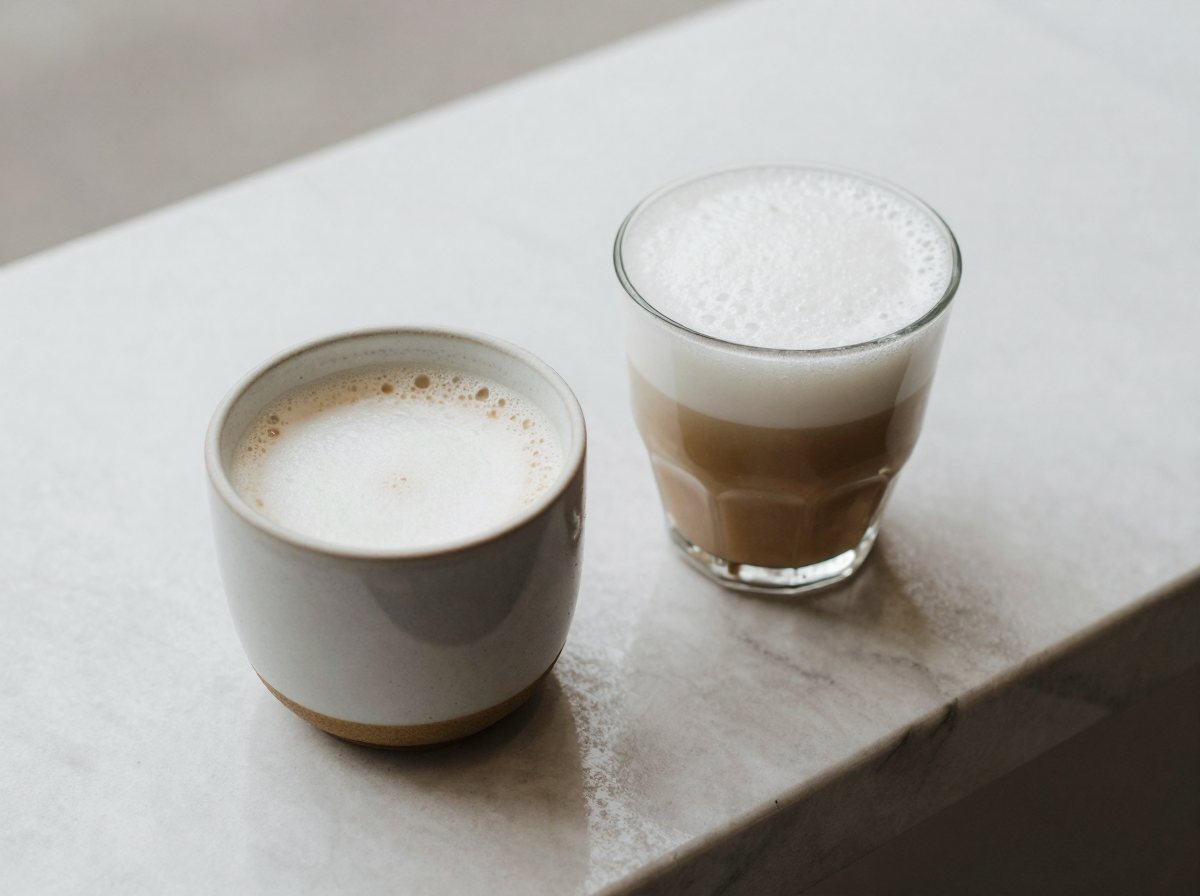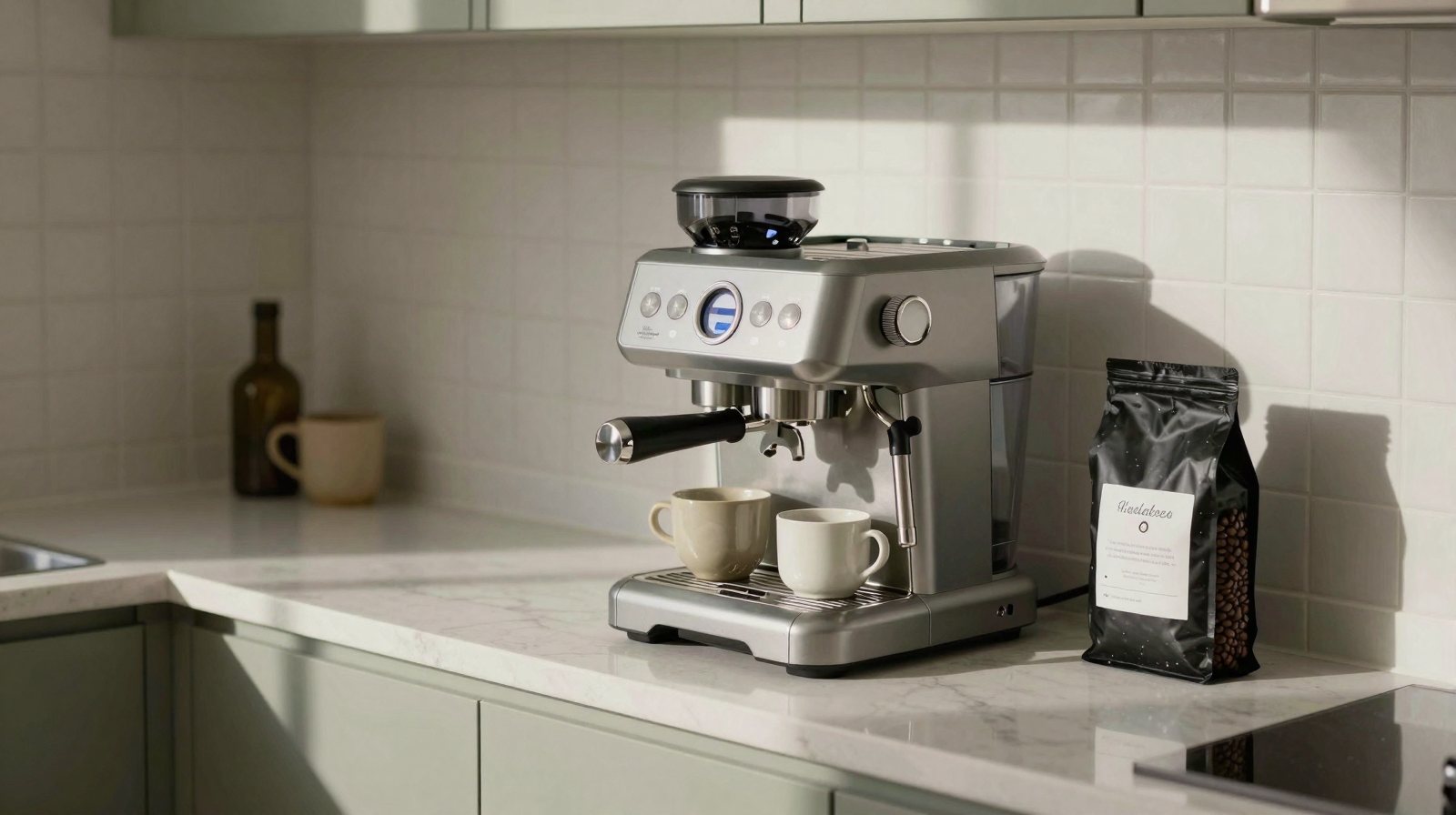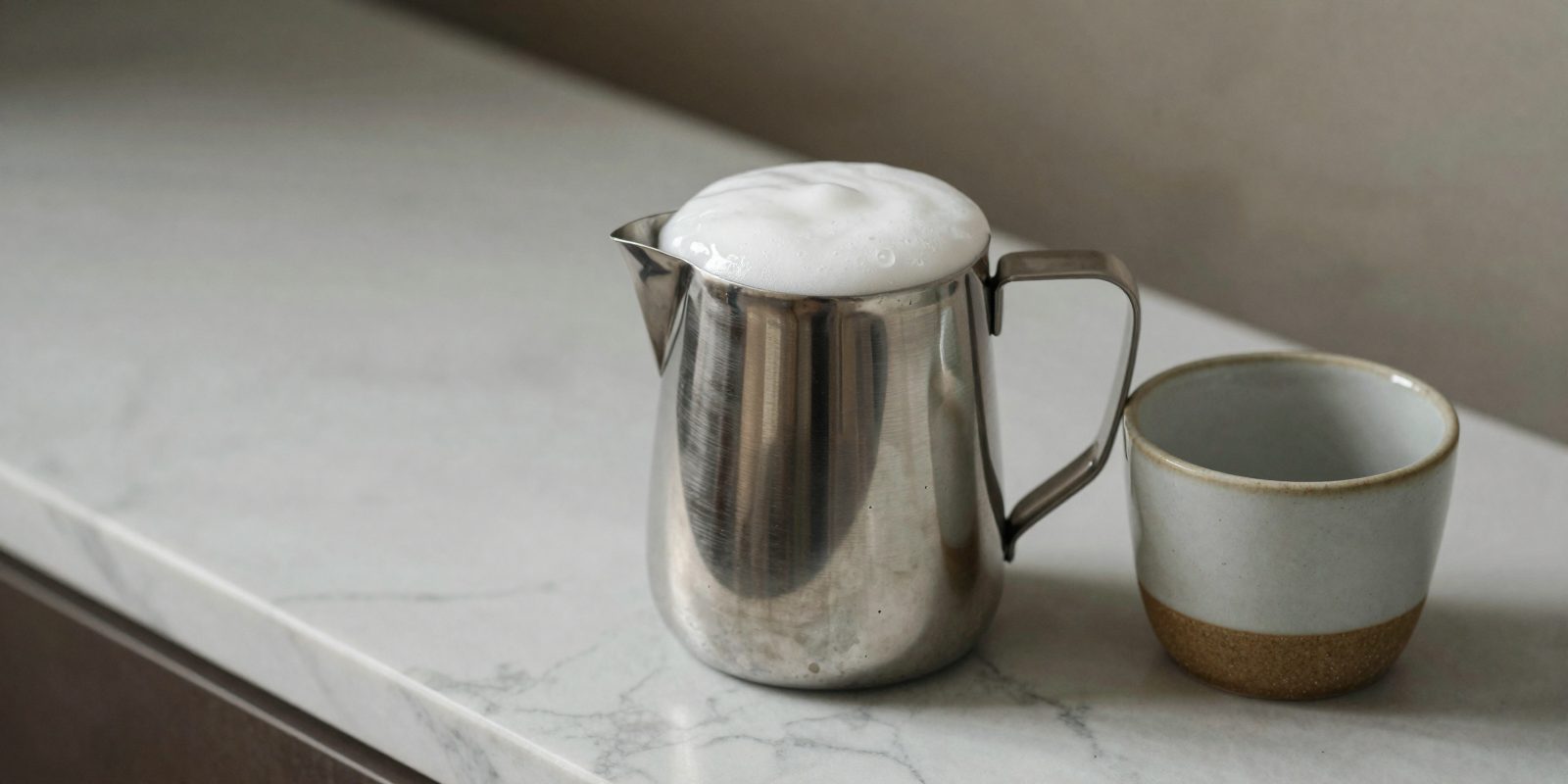
How we chose. We have not tested these frothers. Picks compare the makers' heating methods, capacities and settings. Breville's Australian listed price was checked on 9 October 2026; Nespresso's current Australian selling price was not verified. Confirm the current offer and delivery before buying. We earn nothing from these links.
Which kind of frother?
| Type | How it works | Who it suits | AUD reference |
|---|---|---|---|
| Breville Milk Cafe | Induction heating and two frothing discs | Adjustable temperature and hot chocolate | $249 listed |
| Nespresso Aeroccino 4 | Small jug with one whisk and four modes | Compact hot or cold milk drinks | Check Nespresso AU |
| Handheld wand | Whisks milk; does not heat it | Simple whisking in your own cup | Varies by model |
| Steam wand | Steam from an espresso machine | Control over milk texture, with practice | Part of the machine |
Breville the Milk Café
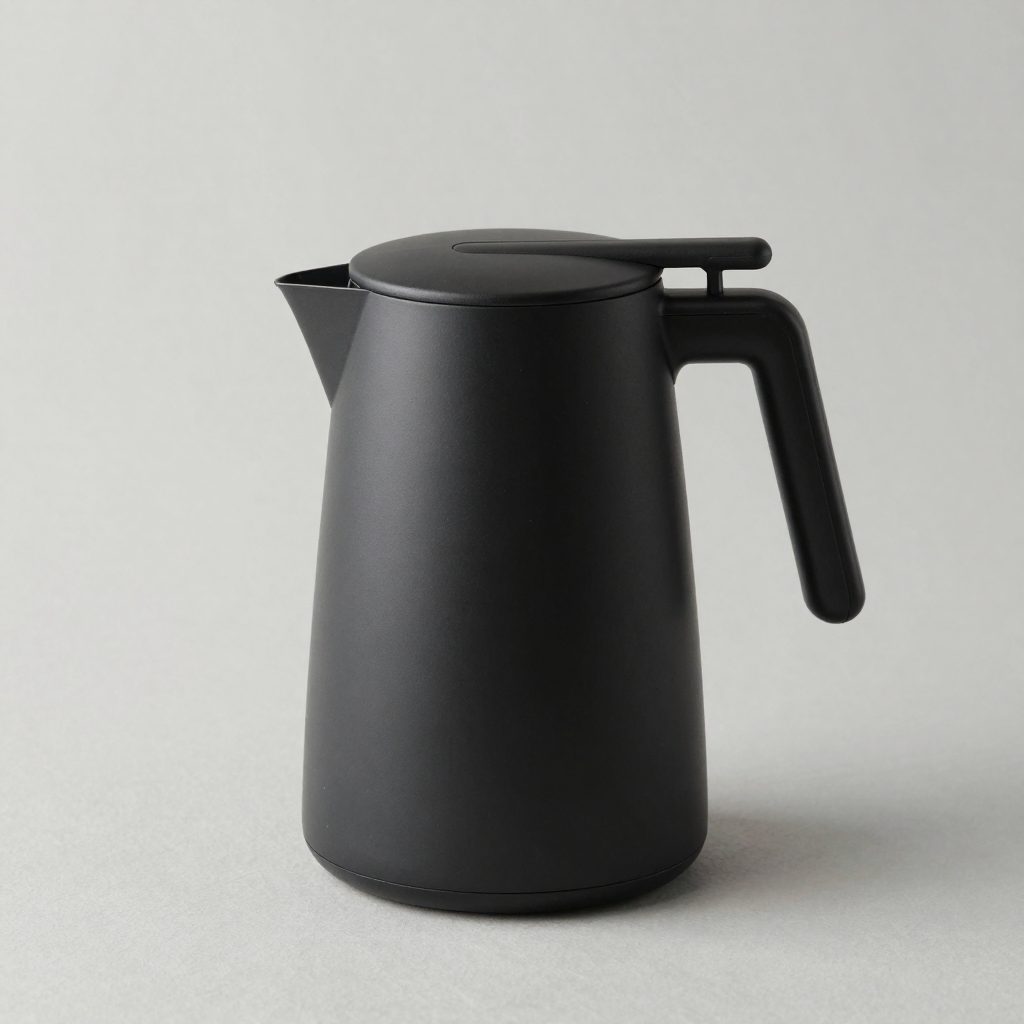
An induction-heated jug with adjustable temperature and two frothing discs, one for latte-style milk and one for cappuccino foam. Breville also provides a measuring cap for adding hot-chocolate ingredients after mixing starts. The jug is dishwasher-safe as directed by the maker. Breville Australia's page listed $249 at our check.
Nespresso Aeroccino 4
A compact frother with four milk modes, including cold foam. Nespresso Australia's published specifications list 120 ml maximum for frothing and 240 ml for heating milk, so use the correct fill line rather than assuming the entire jug can be filled for foam. Check the current Australian price with Nespresso. Follow its dishwasher limits and keep the electrical base out of the dishwasher.
A handheld battery wand
A handheld whisk mixes air into milk but does not heat it. Warm milk separately if you want a hot drink and follow the whisk's immersion and cleaning instructions. It suits simple foamed drinks; choose a steaming workflow if fine texture for latte art is your priority.
When to skip the frother
If you already own an espresso machine with a steam wand, practise with it before buying another appliance: it gives you direct control over aeration and texture. If your machine has no wand, compare a standalone frother with an automatic steaming workflow in the home machine guide.
What happens when you froth milk
Frothing does two things at once: it adds air, which makes foam, and it heats the milk, which changes its taste and texture. The proteins in milk wrap around the air bubbles and hold the foam up; the fats make it creamy but can make foam less stable. Heating also brings out the milk's natural sweetness, up to a point. Many baristas aim for about 55 to 65°C, warm enough to taste sweet and hot, but below the point where milk starts to taste cooked and loses its foam. Very hot milk, above about 70°C, is also a scald risk, especially for children.
Which milk froths best
| Milk | Frothing | Notes |
|---|---|---|
| Full cream | Creamy, silky microfoam | The café standard for flat whites and lattes |
| Light or skim | Lots of stiff foam, less creamy | Good for a foamy cappuccino |
| Barista oat | Froths well, creamy | Barista versions are made to steam; regular oat milk may not |
| Soy (barista) | Froths well | Can split in very hot or acidic coffee |
| Almond (barista) | Lighter foam | Barista blends work better than standard almond milk |
| Lactose-free | Froths like regular milk | A good option for people avoiding lactose |
"Barista" versions of plant milks have added ingredients that help them foam and resist splitting. If a plant milk will not froth in your machine, try its barista version before blaming the frother.
Using a steam wand at home
If your espresso machine has a steam wand, you may not need a separate frother. The basics:
- Start with cold milk in a cold stainless jug, filled to just below the spout.
- Purge the wand to clear water.
- Place the tip just below the surface and open the steam; you should hear a gentle tearing sound as air is drawn in.
- Lower the tip once the milk has grown by about a third, to spin the milk and heat it.
- Stop at the right temperature, when the jug is hot to touch but not painful.
- Wipe and purge the wand straight away.
It takes practice, but a steam wand gives the silky texture needed for latte art, which most standalone frothers cannot match.
Cold foam
Some frothers have a cold setting that froths milk without heating it, for iced coffees and cold foam toppings. Cold foam is usually thicker and holds longer on an iced drink. If you drink iced coffee in summer, a frother with a cold mode is worth having.
Capacity and how many drinks
Check how much milk a frother can foam and how much it can heat, which are often different. A small jug frother may foam enough milk for one or two cappuccinos at a time; a household making four milk drinks in the morning needs a larger capacity or several cycles. Induction frothers with removable jugs are easier to clean and refill between batches.
Cleaning a frother
Milk residue is the enemy. Rinse the jug and whisk straight after use, before milk dries on, and wash them thoroughly at least once a day. Removable, dishwasher-safe jugs make this much easier. Check the whisk or disc for milk build-up; a dirty whisk makes poor foam and can smell. Never immerse the base of an electric frother in water.
Manual and handheld options
A manual plunger frother, a small jug with a mesh plunger, makes surprisingly good foam from warmed milk for very little money. Battery whisks are the cheapest of all and work for a quick froth on a cappuccino, though the texture is coarser. Both are good choices if you only have one milk coffee a day or want something for travel.
Frothers and pod machines
Many people buy a frother to go with a pod or plunger setup. In that case, a jug frother with hot and cold settings covers most needs: hot foam for cappuccinos and lattes, cold foam for iced drinks, and warm milk for hot chocolate. Pair it with good coffee, because a frother can make the milk better but not the coffee.
Types of frother compared
| Type | How it works | Good at | Watch out for |
|---|---|---|---|
| Induction jug | A magnetic base heats and spins a disc or whisk in a removable jug | Silky foam, hot and cold settings, easy cleaning | Price, size |
| Heating-element jug | A heater and whisk in a fixed jug | Hot and cold foam at a lower price | Harder to clean if the jug is not removable |
| Handheld battery wand | A small whisk you hold in a cup of milk | Very cheap, compact | Coarse foam; you must heat the milk separately |
| Manual plunger | A jug with a mesh plunger you pump | Surprisingly good foam from warm milk | Takes effort; heat milk separately |
| Steam wand | Steam from an espresso machine | Café-style microfoam and latte art | Needs a machine and practice |
How to get café-style foam from a jug frother
- Use fresh, cold milk, and do not fill past the maximum line for the setting you are using.
- Choose the right setting: more foam for cappuccino, less for latte or flat white.
- Pour straight away, tapping the jug gently on the bench to settle big bubbles and swirling to keep the foam glossy.
- Spoon foam if needed. Jug frothers often make a thick foam layer on top; pour the milk first, then spoon foam for a cappuccino.
Foam for each drink
| Drink | Milk texture |
|---|---|
| Flat white | Thin, silky microfoam |
| Latte | Silky milk with a little more foam |
| Cappuccino | More foam, often topped with chocolate |
| Babyccino | Warm foamy milk for children, not too hot |
| Hot chocolate | Hot milk, little foam, chocolate mixed in |
Running costs and durability
Frothers have few running costs beyond electricity and the occasional replacement whisk or seal. The parts that wear are the whisk, the seal around it and, on fixed-jug models, the heating plate, which can burn milk if not cleaned. Choose a model whose whisks and jugs are sold separately in Australia, so a lost or worn part does not mean a new frother.
Choosing in three questions
- How many milk drinks do you make at once? One or two: a compact jug; three or more: a larger jug or a steam wand.
- Do you want cold foam? Choose a frother with a cold mode.
- How much cleaning will you do? Choose a removable, dishwasher-safe jug if the answer is "as little as possible".
Frothing plant milks
Plant milks froth differently from dairy, and their behaviour changes with brand and temperature. Barista versions are designed to foam and not split. Heat them gently: many split or turn grainy when overheated. Shake the carton before pouring, because ingredients settle. If foam collapses quickly, try a different barista brand rather than a different frother.
Health and safety
Milk heated in a frother can be very hot. Let children's drinks cool, never leave a frother running unattended, and keep the cord and base away from water. If a frother scorches milk regularly, clean the heating surface and check the maximum fill lines; scorching is often a sign of milk residue left from earlier use.
Frother or steam wand: which should you buy?
If you already own an espresso machine with a steam wand, learning to use it is usually better than buying a frother: it makes finer foam, it is faster for several drinks, and it lets you pour latte art. A frother makes more sense if your machine has no wand, if you use pods or a plunger, if you want cold foam, or if you want milk drinks without the learning curve. Some households use both: the wand for weekend lattes and a frother for quick weekday cappuccinos or the children's hot chocolate.
Milk science, a little further
Milk proteins form the walls of the bubbles in foam, which is why skim milk, with relatively more protein and less fat, foams up so easily. Fat makes foam creamier and smoother but less stiff. Heating unfolds the proteins so they wrap around air more readily, up to a point; past about 70°C, the foam breaks down and the milk starts to taste cooked. Fresh milk foams better than milk that has been open for days, because the proteins and sugars change as milk ages. If foam suddenly gets worse, try a fresh bottle before blaming the frother.
How to clean an induction frother properly
- Unplug the base and lift off the jug.
- Remove the whisk or disc and rinse it under warm water straight away.
- Wash the jug with warm soapy water or in the dishwasher if the maker allows.
- Check the magnetic drive in the jug for milk residue, which can stop the whisk spinning.
- Dry everything before putting it back together.
- Wipe the base with a damp cloth; never put it in water.
Frothing for latte art
Latte art needs microfoam: milk with tiny, even bubbles that pours like wet paint. Most jug frothers make a thicker foam that sits on top rather than mixing, so latte art is hard with them. If latte art is your goal, a steam wand and practice are the way; some induction frothers with a latte setting get closer than others, but none fully replace a wand. Our milk steamer guide covers steaming technique.
Frothers for cafés and offices
In an office kitchen, a frother gets heavy use from many people. Choose a robust model with a removable jug, keep spare whisks, and put a simple cleaning note on the wall. For a café, a commercial steam wand or an automatic milk system is the norm; home frothers are not built for that workload.
Value for money
A good frother is a small purchase that changes how often people make milk coffees at home rather than buying them out. If it replaces even a few café milk coffees a week, it pays for itself quickly. The extra spent on an induction model with a removable jug mostly buys easier cleaning and better foam.
A morning routine with a jug frother
- Start the coffee first: a pod, plunger, moka pot or espresso.
- Pour cold milk into the frother to the right line for the drink.
- Choose hot foam, hot milk or cold foam and press start; most cycles take a couple of minutes.
- While it runs, warm the cup with hot water and tip it out.
- Pour the milk over the coffee, holding back the foam with a spoon for a flat white or latte, and spooning it on top for a cappuccino.
- Rinse the jug and whisk straight away, before the milk dries.
That last step takes thirty seconds and saves a scrub later.
Hot chocolate, chai and other drinks
Frothers are not just for coffee. Many have a setting for hot chocolate that heats milk with less foam, and some come with a whisk designed to mix powder into the milk. Chai lattes, matcha lattes and turmeric lattes work the same way: heat and froth the milk, then mix in the powder or concentrate, or add it to the jug if the maker allows. Rinse the jug well afterwards, because sugary powders stick.
Frothing in an Australian summer
In hot weather, iced coffees and cold foam come into their own. Cold foam needs very cold milk; take it straight from the fridge. Skim and light milks give stiffer cold foam, full cream a creamier one. Pour cold foam over an iced long black or iced latte for a café-style drink at home.
What we would choose
For most households making a few milk drinks a day, an induction frother with a removable, dishwasher-safe jug and a cold setting is the best balance of foam quality and easy cleaning; the Breville pick above is in that group. For one person with limited bench space, a compact frother such as the Nespresso pick does the job. For occasional use or travel, a handheld wand or a manual plunger costs very little. If you already have an espresso machine with a wand, learn to use the wand first.
Frequently missed details
- Maximum and minimum fill lines differ for foam and for heating; check both.
- Cold-foam capacity is often smaller than hot.
- Cord length and base size matter on a crowded bench.
- Replacement whisks are small and easy to lose; buy a spare if they are sold separately.
- Noise varies; some frothers hum loudly during the cycle.
Troubleshooting a frother
| Problem | Likely cause | Fix |
|---|---|---|
| No foam | Whisk missing or fitted wrongly; milk too warm to start | Refit the whisk; use cold milk from the fridge |
| Foam collapses quickly | Old milk, a plant milk that is not a barista blend, or overheating | Fresh milk; barista blend; check the setting |
| Milk burns on the base | Residue from earlier use on a fixed-jug model | Clean the base thoroughly after every use |
| Milk not hot enough | Wrong setting, or the jug was too full | Use the hot milk setting; stay under the max line |
| Frother stops mid-cycle | Overheat protection after repeated cycles | Let it cool, rinse with cold water, try again |
| Whisk will not spin | Milk residue around the magnet or drive | Clean the drive and the whisk |
Questions people ask in the shop
Can I put the jug in the dishwasher? On many induction models with removable jugs, yes; on fixed-jug models, usually not. Check the manual.
Does it make enough for two lattes? Check the foam and heating capacities separately; some smaller frothers manage one large latte or two small cappuccinos per cycle.
Can I add chocolate powder to the jug? Some frothers are designed for it, others say not to. Mixing powder in the cup is safest.
How long does a cycle take? Most take a couple of minutes for hot milk, less for cold foam.
The bottom line
The best frother is the one you will clean and use every day. For most people that means an induction jug with a removable, dishwasher-safe jug, hot and cold settings, and a capacity that matches the number of milk drinks made at once. Spend more for easier cleaning and better foam; spend less if you make one drink a day. And if your espresso machine already has a wand, give it a fair try before buying anything.
Frothing for children
Children's milk drinks, such as a babyccino or warm milk, should be warm, not hot. Use the frother's warm or cold setting where available, or let hot milk cool before serving, and test it on the inside of your wrist. Keep the frother well back from the bench edge, where small hands cannot reach the jug or cord.
Storing milk for frothing
Keep milk cold in the fridge and pour only what you need into the frother. Milk that has been left out warms up and foams poorly, and reheating milk that has already been frothed rarely works well. A small jug of milk kept in the fridge next to the coffee things makes morning drinks quicker.
Frother capacity and the size of your cup
A standard flat white or latte uses somewhere around 150 to 200 ml of milk, a cappuccino a little less with more foam, and a large mug latte more. Compare that with the frother's heating and foaming capacity to see how many drinks it makes per cycle. If you regularly make two or three drinks together, the extra few minutes of a second cycle each morning add up, and a larger frother or a steam wand is worth the extra cost.
Our short answer
Pick a frother by how many milk drinks you make at once, whether you want cold foam, and how much cleaning you will tolerate. An induction frother with a removable, dishwasher-safe jug and a cold setting suits most households; a compact jug suits one person; a handheld wand or manual plunger suits occasional use. If you already own an espresso machine with a steam wand, learn to use the wand before buying a frother.
Where to buy a frother
Milk frothers are sold by appliance stores, department stores, coffee retailers and the makers' own online stores. Prices for the same model can vary, so compare a few retailers and check that spare whisks and jugs are available locally. Keep the receipt; the Australian Consumer Law's guarantees apply alongside the maker's warranty if the frother fails early. A frother bundled with a pod machine can be good value if it is the model you would have chosen anyway.
Frothers and lactose-free or A2 milk
Lactose-free and A2 milks generally froth much like ordinary dairy milk of the same fat content, because the proteins that make foam are still there. If a particular brand froths poorly, try another, or a barista version if one is made. Long-life milks can foam well too, though some people notice a slightly cooked taste.
Frothers and coffee pods
If you use a pod machine, a frother turns its espresso pods into café-style milk drinks. Pod makers often sell matching frothers, but any good frother works with any coffee. Choose the frother on foam quality, capacity and cleaning rather than brand matching. Make the coffee first and the milk second, or start both together if your bench allows, so neither sits waiting and cools. Many pod machines' espresso works well as a flat white or cappuccino base with a good frother.
How long a frother lasts
With regular cleaning, a good frother lasts years. The parts that fail first are usually the whisk, the seal and, on cheaper models, the heating element. Choosing a model with replaceable whisks and a removable jug, and cleaning it after every use, gives it the best chance of a long life. If yours starts burning milk, losing foam or stopping mid-cycle despite cleaning, check the warranty before replacing it.
Frothers and caravans or camping
Some frothers run on 12-volt power or batteries and suit caravans and camping, where a mains frother may draw too much from an inverter. A handheld battery wand or a manual plunger frother with milk warmed on the stove is the simplest camping option. Check the power draw before plugging a mains frother into a portable power station.
One last tip
Pour the milk within a few seconds of the cycle finishing. Foam starts to separate as soon as the whisk stops, and a quick swirl of the jug before pouring keeps it glossy and mixed.
Common questions
Can a milk frother make a flat white?
Close to one. An induction or magnetic frother on its flattest setting makes silky enough milk for a good home flat white, though not quite the fine microfoam of a steam wand.
What milk froths best?
Cold, fresh full-cream milk is easiest. Barista versions of plant milks are made to froth well.
Are milk frothers easy to clean?
Most jugs need a rinse straight after use, before milk dries on. Some jugs and whisks are dishwasher-safe; check the manual.
Can you froth cold milk?
Yes, with a model that offers a cold-froth mode. The Aeroccino 4 has one and limits a frothing batch to 120 ml. A handheld whisk can also aerate cold milk without heating it.
What are the downsides of a milk frother?
Batch size can be small, another appliance needs cleaning, and a handheld whisk does not heat milk. Foam texture also varies by milk and mode. Check the frothing capacity separately from the hot-milk capacity.